
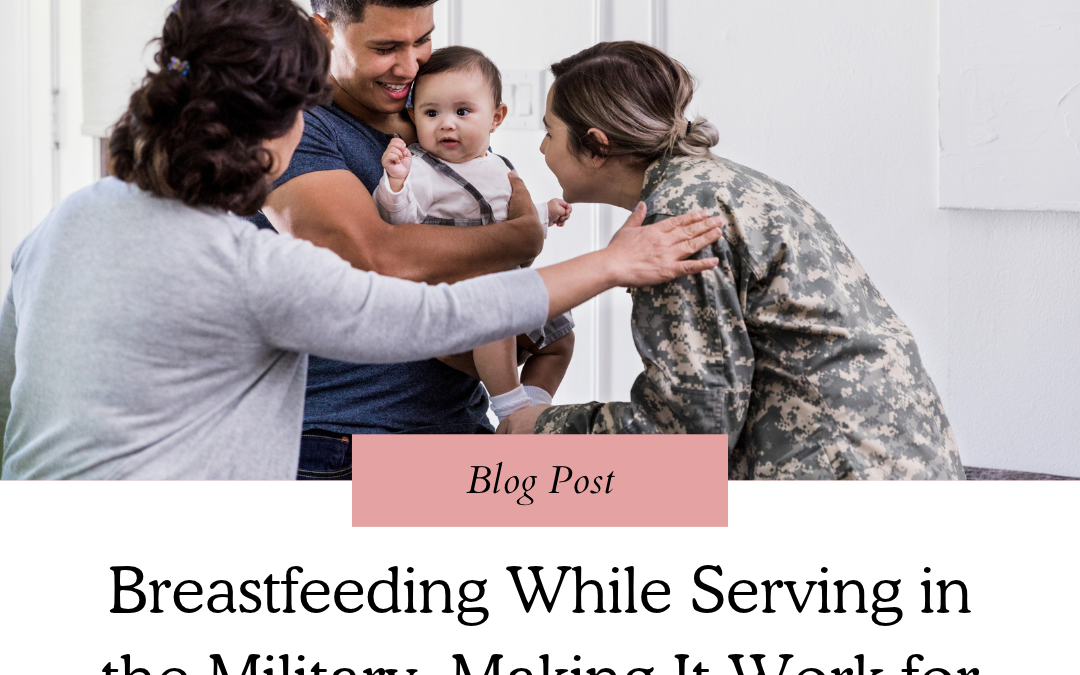
Breastfeeding While Serving in the Military: Making It Work for You
Military life requires flexibility. Between training, duty schedules, physical fitness requirements, and the possibility of being away from home, adding a newborn to the mix can feel like a whole new mission.
If you’re a service member who wants to breastfeed, you may be wondering how you’ll make it work when your schedule isn’t always predictable.
Will you have time to pump? What happens when you’re separated from your baby? Can you breastfeed and bottle-feed without losing your milk supply?
The good news is that breastfeeding doesn’t have to mean feeding directly at the breast every single time. A combination of breastfeeding, pumping, and bottle feeding may give you more flexibility while supporting your feeding goals.
1. Make a Plan for Pumping at Work
One of the biggest challenges of breastfeeding during military service is finding time and space to express milk.
Depending on your role and duty environment, you may have limited control over your schedule. You might also need to plan around training, field exercises, or other responsibilities.
Before returning to duty, talk with the appropriate supervisor, medical team, or lactation support resource about your pumping needs.
Consider discussing:
- Where you can pump and store expressed milk
- How you’ll access pumping breaks during your duty day
- What equipment you’ll need
- How to handle changes in your schedule
- Who can help you plan for field training or other periods away from your usual workspace
Protections and accommodations can vary by service branch, duty setting, and circumstances, so confirm which policies apply to you.
Planning ahead won’t eliminate every challenge, but it can help you feel more prepared.
2. Remember That Bottles Can Be Part of Your Breastfeeding Plan
You don’t have to choose between breastfeeding directly and offering bottles.
For example, you might breastfeed your baby when you’re together and offer pumped breast milk in a bottle when you’re on duty.
Your partner or another caregiver may be able to handle some feeds while you’re away, giving your baby opportunities to receive breast milk even when you can’t be there to nurse.
If your baby receives a bottle in place of a breastfeeding session and you want to maintain your milk supply, pumping around that time may help replace the milk your baby would otherwise remove at the breast.
Your exact pumping needs will depend on your baby’s age, your milk supply, and how often you’re separated.
If you’re introducing bottles, paced bottle feeding can help your baby manage the flow of milk at a comfortable pace. A lactation consultant can help you determine what works best for your baby.
3. Prepare for Changes in Your Schedule
Military schedules can change with little notice. A plan that works during a typical duty week may look different during training, travel, or an extended separation.
Think through a few possible scenarios ahead of time.
- When you’re home: You may choose to breastfeed directly for most feeds.
- When you’re on duty: Your baby may receive pumped milk in bottles while you pump during the day as your schedule allows.
- When you’re away from your baby: You may need a plan for milk expression, storage, transportation, and feeding your baby safely.
- When your circumstances change: Your feeding plan may need to change, too.
If your baby needs formula supplementation, that can be incorporated into your plan as well. You can work with your pediatrician and an IBCLC to find an approach that supports your baby’s nutritional needs and your goals.
4. Give Yourself Permission to Find What Works
You may have pictured breastfeeding your baby without needing bottles or formula. You may have hoped to breastfeed exclusively for a certain amount of time.
Then military life, your baby’s needs, or your own well-being may require a different approach.
Your feeding journey doesn’t have to look like anyone else’s. You can work toward breastfeeding goals while also making room for your career, your family, and the realities of your responsibilities.
Sometimes the best feeding plan is the one that allows you to continue feeding your baby in a way that feels sustainable.
Want a Clearer Plan for Breastfeeding and Bottles?
If you’re preparing to return to duty or already balancing breastfeeding with time away from your baby, having a plan for combining direct breastfeeding and pumped milk can make the process feel less overwhelming.
My Combination Feeding Guide walks you through introducing bottles, planning pumping sessions, and combining breastfeeding with expressed milk.
It’s designed to help you build more flexibility and confidence as you figure out what works for your family.
Get the Combination Feeding Guide here.
You serve in a role that asks a lot of you. Your feeding plan should support you, too. You deserve the opportunity to make informed decisions about feeding your baby, with support that respects both your goals and your circumstances.
Please note: Military lactation policies and accommodations vary by branch, duty status, and operational setting. Contact your service’s appropriate medical or command resources for guidance specific to your situation.