
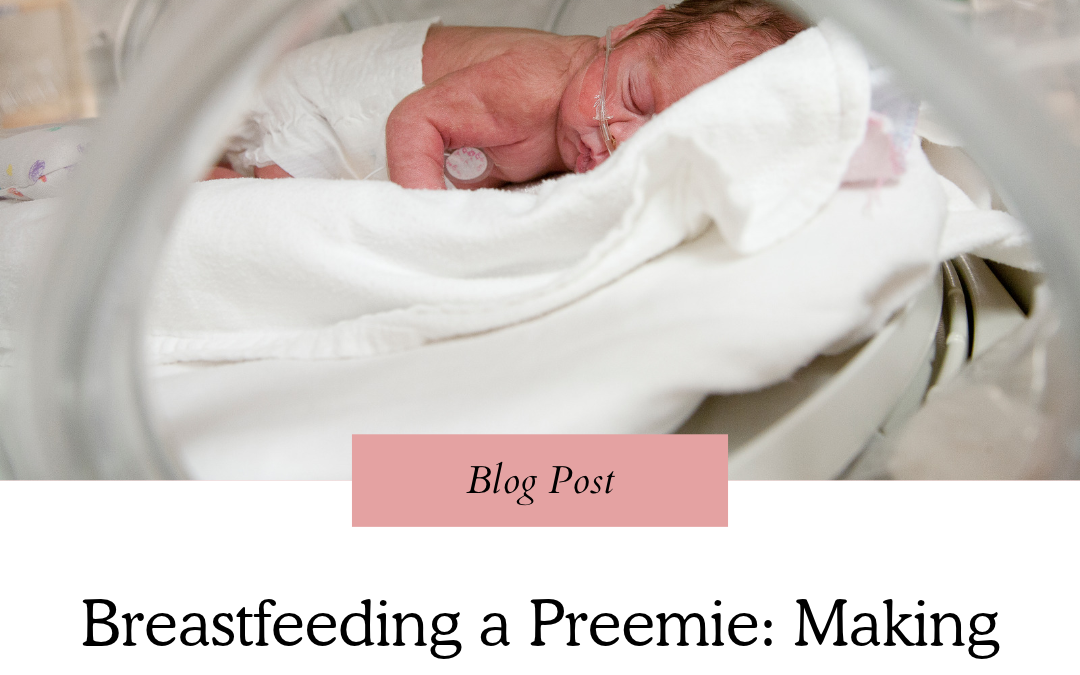
Breastfeeding a Preemie: Making Combination Feeding Work
Having a premature baby can change almost everything you imagined about feeding your newborn.
Instead of bringing your baby home and settling into breastfeeding, you may find yourself pumping around the clock, learning how to feed your baby through a bottle or feeding tube, and spending hours in the NICU.
You may also be wondering whether you will ever be able to breastfeed directly.
If this sounds familiar, I want you to know something: breastfeeding doesn’t have to look one specific way.
For many families with premature babies, combination feeding can be an important part of the journey.
What Is Combination Feeding?
Combination feeding means using more than one way to feed your baby. This might include:
- Breastfeeding directly at the breast
- Pumping and offering your breast milk in a bottle
- Using donor breast milk or formula when needed
- Combining breastfeeding with bottles as your baby grows
For premature babies, feeding may also include a feeding tube while they develop the skills needed to feed by mouth.
Your baby’s feeding plan will depend on their health, development, nutritional needs, and ability to coordinate sucking, swallowing, and breathing. Your NICU team can help you decide when and how to introduce different feeding methods.
Combination feeding can be part of how you reach your feeding goals.
3 Ways to Make Combination Feeding Work for Your Preemie
1. Focus on providing breast milk when possible
Breast milk offers important benefits for premature babies. If your baby isn’t ready to breastfeed directly, pumping can help you provide breast milk while your baby grows and develops.
Your milk production may take time to increase, especially after an early birth or a stressful delivery.
Ask your NICU team or an International Board Certified Lactation Consultant (IBCLC) for help with:
- Getting started with pumping
- Finding comfortable pump settings and flange sizes
- Creating a pumping plan that fits your baby’s needs
- Protecting your milk supply while your baby learns to feed
You deserve support with pumping, too. It can be physically and emotionally demanding to express milk while your baby is in the hospital.
2. Let your baby develop feeding skills at their own pace
Some premature babies are ready to breastfeed before they leave the NICU. Others need more time to develop the skills required for safe, effective feeding.
You may begin with skin-to-skin contact, time at the breast, or practice latching. Your baby might breastfeed for a few minutes and then need expressed milk to meet their nutritional needs.
Your baby may need bottles, fortified breast milk, or formula as part of their medical feeding plan. Some babies also need additional calories to support growth.
The goal is to help your baby grow while supporting your breastfeeding goals whenever possible.
3. Create a feeding plan for life at home
Leaving the NICU is a big milestone, but feeding can still feel complicated once you’re home.
You might be breastfeeding at some feeds, pumping for others, and offering bottles of expressed milk or formula throughout the day.
It can be difficult to know when to pump, how much milk to offer, and how to make everything fit into your daily routine.
A clear feeding plan can help you understand how the different pieces work together.
Your plan should reflect your baby’s growth and feeding skills, your milk production, and your family’s needs. Your pediatrician and lactation consultant can help you adjust it as your baby grows stronger and feeding becomes easier.
You Can Have Feeding Goals and Flexibility
Maybe your goal is to breastfeed directly as much as possible.
Maybe you want to provide breast milk while sharing bottle feeds with your partner.
Maybe you need a combination of breast milk and formula to make feeding sustainable for your family.
All of these goals may require individualized support.
You don’t have to figure everything out at once. Your feeding plan can change as your baby develops and your family settles into life at home.
Need Help Making Breastfeeding and Bottles Work Together?
If you’re preparing to bring your baby home, or you’re already home and trying to balance breastfeeding, pumping, and bottles, you don’t have to piece together a plan on your own.
My Combination Feeding Guide walks you through how to combine direct breastfeeding and pumped milk, including how to introduce bottles and plan your pumping routine.
It’s designed to help you feel more confident, flexible, and prepared as you navigate feeding your baby.
Get the Combination Feeding Guide here.
Your baby doesn’t have to follow a perfect feeding timeline for you to build a feeding relationship that works for your family, and you don’t have to do it alone.
Medical note: Premature babies may have specific nutritional needs and feeding precautions. Work with your baby’s NICU team and pediatrician to develop a feeding plan tailored to your baby. An IBCLC can help you navigate breastfeeding, pumping, and combination feeding along the way.